
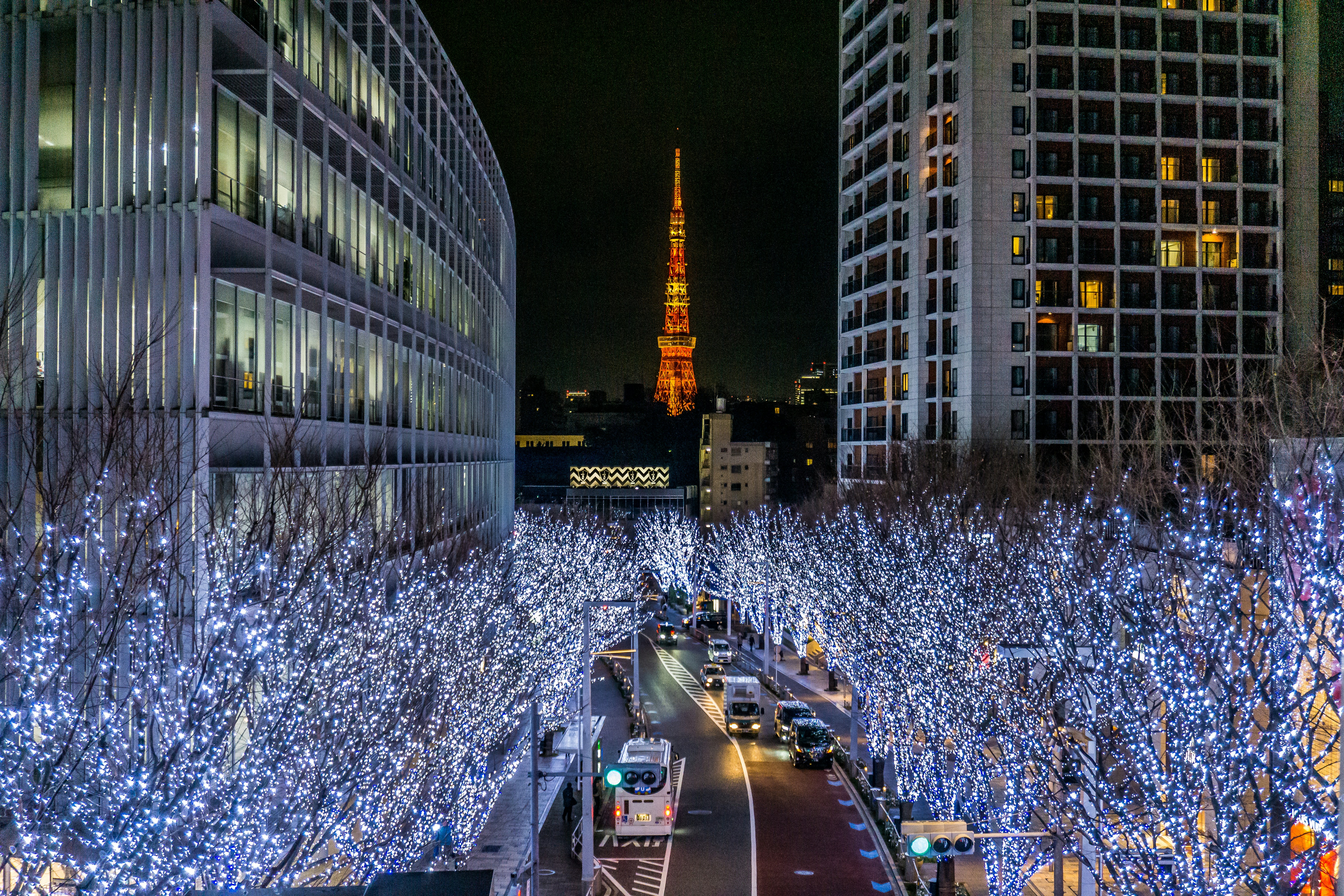
Japan in December calls for a money plan that covers winter outings, year-end closures, and the full upfront cost of tax-free shopping. Bring a working card, arrange access to yen before the holiday period, and keep your return journey money separate from shopping funds.
For the 2026-27 season, build your checklist around illuminations, possible ski trips, and your exact travel dates. December combines winter attractions with a busy year-end travel period, so check official event, transport, and accommodation information before committing your budget. japan.travel
Before you fly: build a December spending checklist
1. Divide your budget into essentials, activities, and a reserve
Start with the expenses that keep your trip running: accommodation, meals, transport, and communication. Then add optional spending for illuminations, winter excursions, and shopping.
Keep a separate reserve for a change of plan. That might mean choosing a different route, replacing unsuitable clothing, or paying for an indoor activity when an outdoor outing no longer appeals.
Use this checklist to decide what belongs in each part of your budget:
Budget category | What to include | What to check before departure |
|---|---|---|
Accommodation | Outstanding room payments and charges listed separately | What is prepaid and what remains payable |
Daily essentials | Meals, local transport, and communication | Accepted payment methods and available balances |
Winter comfort | Clothing, footwear, and indoor breaks | What you can bring from home |
Illuminations | Admission, transport, food, and optional purchases | Official ticket conditions and event access |
Ski outing | Transport, passes, equipment, clothing, and lessons | What the package includes and its cancellation terms |
Shopping | Full tax-inclusive purchase totals | Card capacity and the store’s refund process |
Reserve | Alternative transport or an unexpected overnight stay | How you would access additional funds |
This is a planning checklist, rather than a statement of local prices. Fill it with your actual bookings and the current prices shown by the operators you intend to use.
2. Match your winter budget to your route
For your Japan December weather budget, check each destination rather than relying on a nationwide description. Look at the forecast, planned outdoor activities, and the distance between your accommodation and transport.
Before buying winter gear, list what you already own and what a booked activity provides. Ask whether clothing, footwear, or equipment is included rather than assuming that “rental included” covers everything.
Use the Japan travel money checklist to organize your payment preparations alongside your packing. Save booking confirmations and important payment instructions somewhere you can reach without searching through your inbox.
Before year-end: arrange cash and a working backup
3. Plan around the confirmed bank closure period
Japanese banks are closed December 31 to January 3. ATM and exchange-counter hours over New Year vary by operator, so check the services you expect to use before you go.
A bank closure does not tell you whether a particular ATM or exchange counter is accessible. Check the operator’s holiday notice and, where relevant, the opening hours of the building containing the service.
For year-end Japan travel, arrange cash while you still have alternatives. Avoid making your first attempt to withdraw or exchange money immediately before a departure or an activity you have already paid for.
4. Calculate cash from the payments you expect to make
Mark each planned expense as prepaid, card payable, cash required, or unconfirmed. Add the cash-required expenses together, then choose a planning allowance for the unconfirmed payments and a separate reserve.
There is no useful nationwide cash figure without knowing your route and spending habits. A trip with prepaid hotels and transport needs a different cash plan from one involving several destinations and payments on arrival.
Keep enough accessible money for essential meals, onward transport, and your airport journey. The guide to how much cash to bring to Japan can help you think through the balance between cash and cards.
5. Save an exchange option and an ATM alternative
If you are bringing foreign banknotes, identify an exchange option near your accommodation or transport route. Compare the yen you would receive after the exchange-rate spread and any fees, rather than comparing a headline rate alone.
SMART EXCHANGE can be an option for converting foreign cash to yen, but access hours depend on the host location. Check access before making a special trip, especially during the holiday period.
Find a SMART EXCHANGE machine near Japan
See machines near Japan, their opening hours and directions on the live map. Hours depend on the host store, so check the map before you go.
Also identify a backup ATM that accepts your foreign-issued card. Check your card issuer’s withdrawal conditions and the ATM operator’s official guidance; the foreign-card ATM guide explains the checks to make.

Get your free exchange coupon
Show this free coupon at an eligible SMART EXCHANGE machine for a better rate. It can be reused while valid.
During winter outings: control illumination and evening spending
6. Check the cost of the whole evening
Before choosing an illumination outing, check the official organizer’s admission rules, operating information, and ticket conditions. Establish whether the display you want to see is accessible without a ticket or requires a paid booking.
Then add the journey, food, and any optional purchases to your plan. Decide on an evening spending allowance before leaving your accommodation, keeping your return transport money separate.
For visiting Japan in December, this is a useful habit even when admission itself costs nothing. The outing can still involve several spending decisions after you arrive.
7. Confirm how you will get back
Check the transport operator’s timetable for your actual travel date. Work backward from your intended return journey and leave enough room to walk to the departure point.
If you might choose a taxi, look up the operator’s fare information and booking options beforehand. Decide whether that alternative fits your reserve rather than treating it as an unlimited fallback.
Keep a little flexibility in the evening plan. If the weather makes a long outdoor visit uncomfortable, you can shorten the outing without feeling obliged to recover the value of several prepaid extras.
Before a ski trip: confirm what your payment covers
8. Treat the start of ski season as a condition to check
December can mark the beginning of the ski season, but actual opening dates depend on the resort and its location. For the 2026-27 season, check the resort’s official operating updates before booking travel around a particular ski day. faq.japan-travel.jnto.go.jp
Read the cancellation terms for transport, accommodation, lessons, and equipment separately. Ask what happens if the facilities you intended to use are unavailable.
A resort’s advertised opening period should not be your only planning reference. Check the status of the specific activity you are paying for before leaving your base.
9. Price the complete outing before purchasing a package
Request a clear breakdown of transport, lift access, equipment, clothing, lessons, and any other charges. Mark each item as included, optional, or payable separately.
Ask how additional payments are accepted at the destination. If you need cash, obtain it before the journey rather than assuming an exchange service will be available when you arrive.
Choose your own maximum planning allowance for the full day. If the combined total exceeds it, simplify the outing before booking—for example, by changing the activity or choosing a package with clearer inclusions.
While shopping: cover the full price before your refund
10. Check your available card capacity before a large purchase
From November 1, 2026, Japan’s tax-free system is a refund system. You pay the full tax-inclusive price at the store, and the consumption tax equivalent is refunded after the required export confirmation. mlit.go.jp
Your available card capacity must cover the purchase when you make it. Include accommodation and other remaining trip expenses when deciding how much shopping you can afford.
If you pay in cash, apply the same rule to your yen balance. Keep essential travel money aside and treat an expected refund as money you will receive later.
11. Ask the store how the refund will reach you
The refund is paid by the store or its refund provider. Its method—card, cash, bank transfer, or app—and any fee depend on the store, so ask before purchasing.
Confirm what you must do after the airport check and how to contact the provider if necessary. Keep the instructions with your purchase records so you do not have to reconstruct the process at departure.
Avoid assuming that a refund from one store will follow the same process as another. Record each provider’s instructions separately if you shop at several participating stores.
12. Keep eligible purchases together in your records
The minimum is 5,000 yen before tax per store per day, and the export check must be completed within 90 days of purchase. If any item on a receipt is missing at the check, the whole receipt loses eligibility.
Consumables no longer need sealed bags, but items used in Japan do not qualify. The 500,000 yen cap on consumables was removed; gold and platinum bullion are excluded.
Separate goods intended for use during the trip from purchases you intend to export under the refund system. Keep a simple receipt checklist so you can account for every item before packing.
Before leaving: protect your airport budget and finish the checks
13. Keep your final journey money out of your shopping allowance
Before your last shopping trip, set aside the amount needed for your booked airport route and any outstanding essential payments. Check how those payments will be made and whether you need cash.
Review your remaining yen before exchanging more foreign currency. If you only need to cover a short final part of the trip, calculate those expenses first rather than repeating an earlier withdrawal automatically.
Keep your backup card available until departure. For a broader comparison of payment choices, read cash versus card in Japan.
14. Complete the export check before checking your bags
At the departure airport, scan your passport at a tax-free terminal before checking bags. Green means the check is complete; red means you must show the goods to customs.
Pack so that the relevant purchases can be presented if requested. Check every receipt against its items before leaving your accommodation, especially if you have rearranged luggage during the trip.
Travelers connecting from a domestic flight complete the check at their final international departure airport. Confirm the procedure when planning your baggage arrangements, and keep the goods available for the required check.
15. Check your airport’s official procedure before departure day
Visit Japan Web pre-procedure works at Narita, Haneda, Kansai, Chubu, Fukuoka, New Chitose, and Naha airports. Check Japan Customs and your departure airport’s official instructions before deciding how to complete it. customs.go.jp
Save your refund provider’s instructions alongside your flight details. Completing the export check and receiving the refund are separate parts of your shopping plan, so retain the records you may need afterward.
Finish with a simple review: your airport journey is funded, your passport is accessible, and every purchase on a refund receipt is accounted for. That leaves fewer money decisions to handle while moving through departures.


